
When a pet owner realizes their dog or cat is missing, the immediate reaction is almost always pure disbelief. We like to imagine that lost pets belong exclusively to careless or negligent owners. But real-world rescue data, community discussions on Reddit, and lost pet registries reveal a very different truth.
The vast majority of missing pet incidents happen to loving, highly attentive owners who were simply caught off guard. Why? Because they based their daily safety expectations on their pet's past behavior: "She's an indoor cat who never goes near the door," "He always comes when called," "She isn't bothered by loud noises," or "His harness fits too snugly for him to slip out."
The core behavioral psychological insight behind almost every lost pet story is simple: "They have never done that before" is not the same as "They never will."
Executive Summary: How Do Pets Most Commonly Get Lost?
In Short: Pets rarely run away because they want to leave home. Instead, dogs and cats slip away during ordinary, mundane moments: an unlatched gate or door, a torn window screen, a sudden loud noise triggering panic, an overwhelming prey drive, backing out of a loose harness or collar, becoming disoriented in a new environment, a visitor accidentally leaving an exit open, or finding a hidden flaw in a yard fence.
The underlying issue is almost never bad intentions—it is experience bias. Because a door was opened 100 times without your pet attempting an escape, you naturally assume the 101st time carries zero risk. True safety requires recognizing that human error, environmental triggers, and animal survival instincts can align in a single split second.
Article Navigation
- Scenario 1: "It Was Only Open for a Second" (Gates, Doors & Screens)
- Scenario 2: "They Were Never Afraid of Loud Noises" (Sudden Panic Triggers)
- Scenario 3: "She Saw a Squirrel..." (Instinct Overcoming Training)
- Scenario 4: "There's No Way They Can Slip This Harness or Collar"
- Scenario 5: "They Never Do That at Home" (Vacations, Sitters & New Places)
- Scenario 6: "We Just Had Guests Over" (Other People's Rules)
- Scenario 7: "I Only Let Them Out for Five Minutes" (Enclosures & Yards)
- The Psychology: Why We Think "It Won't Happen to Us"
- The 7 Common Myths vs. Safety Mindset Shift
- Building a Multi-Layered Safety Net (Where Pet Pass ID Fits)
- Frequently Asked Questions (FAQ)
Scenario 1: "It Was Only Open for a Second" (Gates, Doors & Screens)
What Happens?
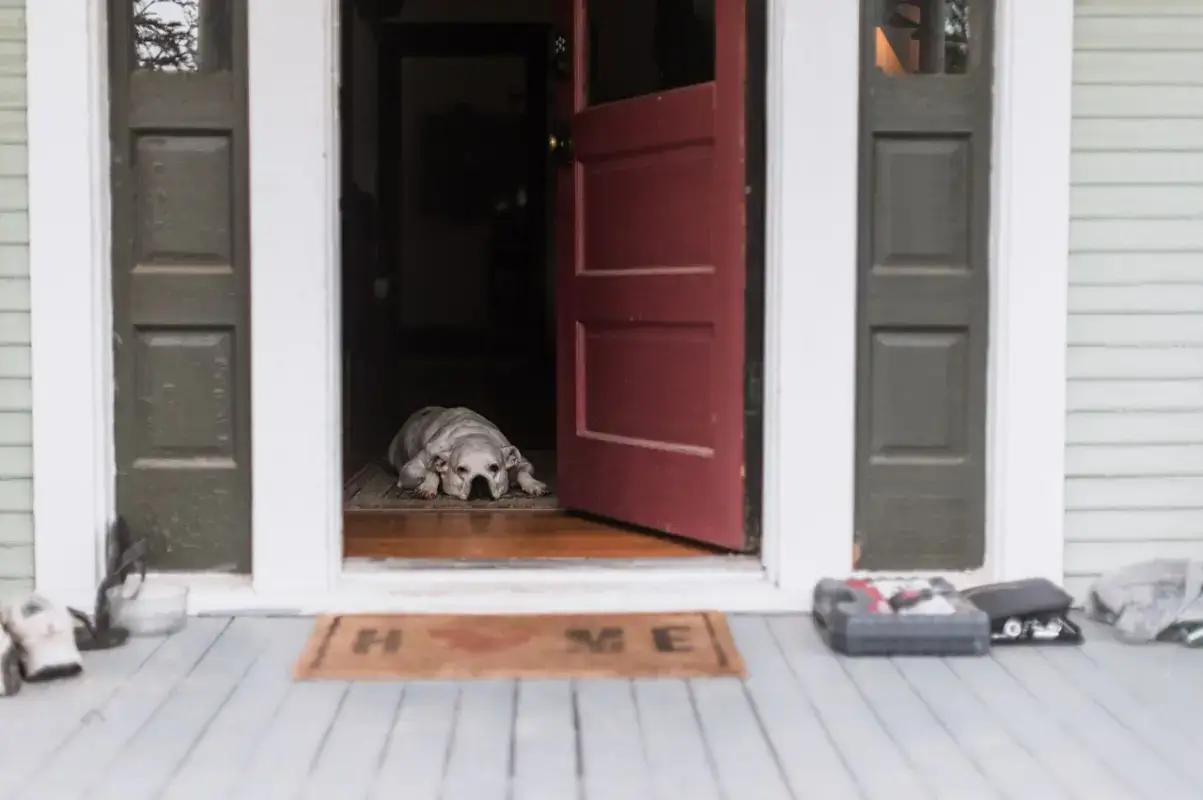
A front door, back gate, or screen window remains unlatched or cracked open for mere seconds while someone carries in groceries, signs for a delivery, unloads a car, or lets in fresh air. A dog bolts past your legs onto the sidewalk, or an indoor cat silently squeezes through a gap in a torn patio screen.
Why Owners Don't Expect It
Owners rely on long-standing routines: "My cat has never shown interest in the outdoors," or "My dog always stays sitting in the hallway when the doorbell rings." What owners miss is that a novel sight, scent, or sound outside can suddenly overwrite years of habit.
Real Experience from the Community
"My indoor cat lived with us for four years and always ignored the front door. One afternoon, a delivery driver dropped a heavy box on the porch. The sudden noise startled her, she darted straight between my ankles out the open door, and vanished under the neighbor's deck before I could react." — Paraphrased from pet community reports.
Prevention Steps
- Boundary Protocols: Train dogs on a strict "Wait" command before any exterior door opens.
- Secondary Barriers: Install baby gates or cat mesh barriers in high-traffic entryways.
- Window & Screen Audits: Ensure all window screens are securely latched and constructed from claw-resistant mesh.
- Delivery Safe Zones: Place pets in a closed room before opening doors for large deliveries or contractors.
Backup Plan
If a door escape occurs, avoid chasing your pet directly—running toward a frightened dog turns escape into a game, while chasing a panicked cat forces them into deep hiding. Instead, drop low to the ground, use high-value treats, or run backward toward your open house while calling them warmly.
Scenario 2: "They Were Never Afraid of Loud Noises" (Sudden Panic Triggers)
What Happens?
A sudden, jarring noise—fireworks, thunder, a backfiring vehicle, construction, or a dropped metal tray—triggers a primal fight-or-flight response. Driven by blind panic, a dog may break a leash or leap a fence, while a terrified cat might bolt through an open window or tear through a screen to escape.
Why Owners Don't Expect It
Owners judge tolerance based on past events: "Fireworks didn't bother him last year." However, noise sensitivity in animals is cumulative and context-dependent. A acoustic blast that is slightly closer, louder, or accompanied by unfamiliar atmospheric pressure can spark unexpected terror.
Animal welfare organizations like the RSPCA report that nearly two-thirds of pet owners notice severe distress in their animals during firework events, with lost pet reports surging significantly around noise-heavy holidays.
Real Experience from the Community
"We were bringing our dog inside from the yard right as an unexpected firework detonated down the street. He panicked, ripped the leash handle right out of my hand, and ran four miles in complete shock before someone finally managed to corner him." — Paraphrased from a lost pet thread.
Prevention Steps
- Desensitization: Play low-volume sound recordings of storms and fireworks during meal times to build positive associations.
- Double Attaching: Use two points of leash contact (collar + harness) during stormy seasons or holidays.
- Indoor Sanctuary: Create a dark, windowless room equipped with white noise or calming music during anticipated celebrations.
Backup Plan
Never leave pets unattended in yards or on balconies when fireworks or severe weather are forecasted, regardless of how confident they have acted in previous years.
-
Pet Pass ID - 2in1 FRIENDS PACK
Original price was: € 40.00.€ 30.00Current price is: € 30.00. -
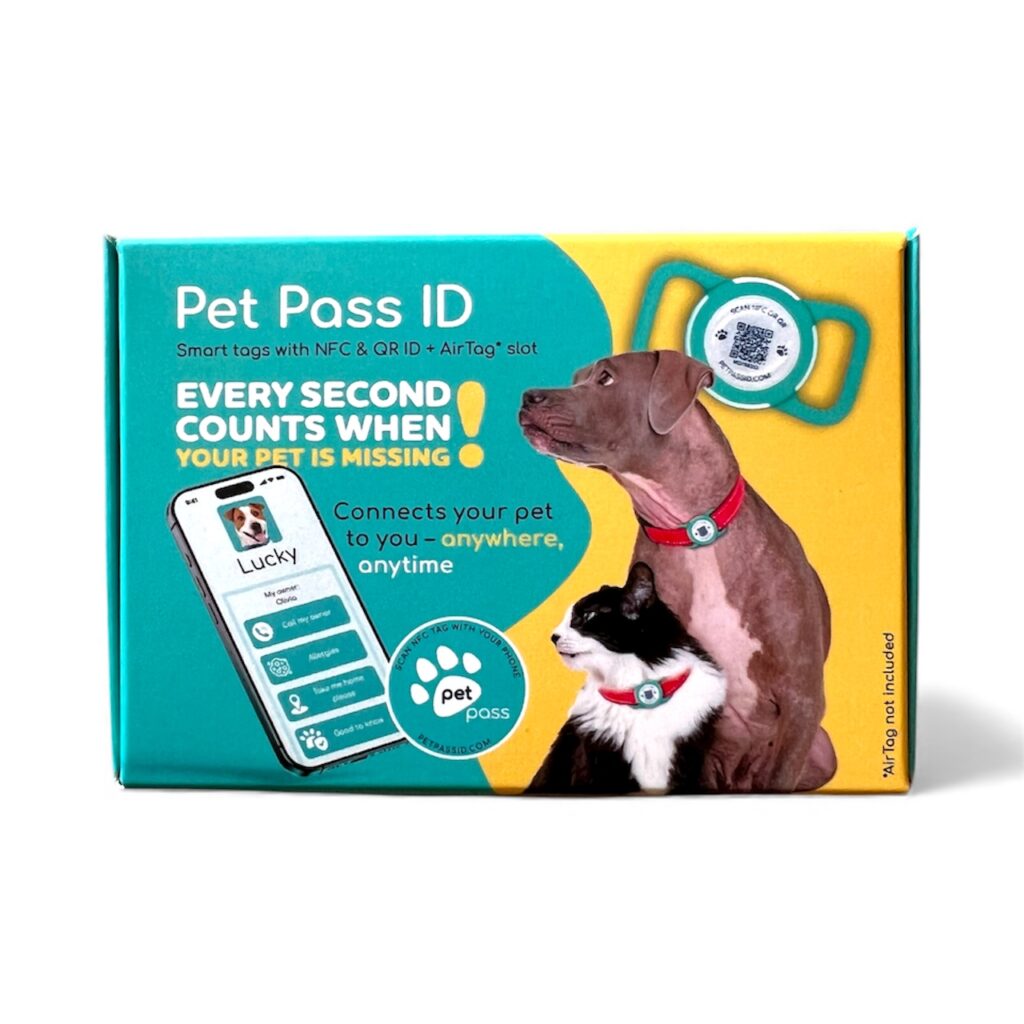
Pet Pass ID - Smart Tag with AirTag Slot
€ 30.00 -
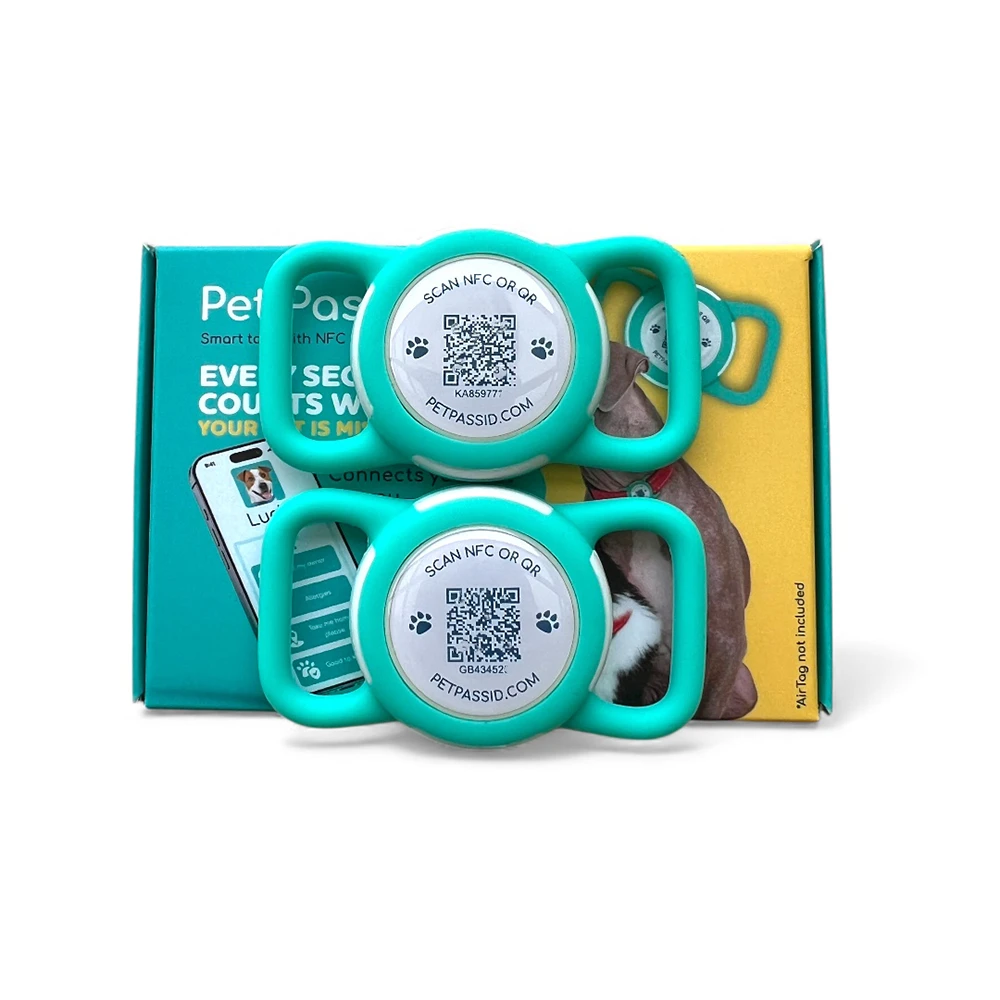
Pet Pass ID - Smart Tag with AirTag Slot 2in1 FRIENDS PACK
Original price was: € 60.00.€ 40.00Current price is: € 40.00.

Scenario 3: "She Saw a Squirrel..." (Instinct Overcoming Training)
What Happens?
While outdoors on a walk, long line, or in an open area, a pet spots a rabbit, squirrel, outdoor cat, bird, or deer. Evolutionary hunting instincts kick in instantly, overriding trained recall commands as the pet pursues the moving target into brush, dense woods, or busy streets.
Why Owners Don't Expect It
Owners equate reliable obedience under calm conditions ("She comes every single time I call her in the living room or fenced yard") with 100% control during high arousal.
The American Kennel Club (AKC) notes that even highly trained working animals can become overwhelmed by strong prey drives, particularly breeds with high hunting or herding instincts.
Real Experience from the Community
"My dog's recall was practically flawless. But the second a deer jumped across our trail, his eyes locked on, and he went completely deaf to my voice. I shouted his emergency recall whistle—he didn't even flinch. His drive just took over." — Paraphrased from a outdoor trail forum.
Prevention Steps
- Acknowledge Biology: Recognize that recall is a learned behavior, whereas prey drive is a primal survival instinct.
- Long Lines: Use lightweight long leads in non-enclosed natural areas rather than full off-leash freedom.
- Novel Distractions: Train emergency recall using squeaky toys or high-decibel whistles rather than relying solely on your voice.
Backup Plan
If your pet takes off after wildlife, make a sharp, unfamiliar noise (like a high-pitched squeaker) and run in the opposite direction to trigger their impulse to chase you.

Could this happen to your pet?
Free 60-second safety check.
Pet Safety Check
✓ Takes about 60 seconds
✓ Personalized to your pet
✓ Get your Pet Safety Score
Free. No purchase required.
Scenario 4: "There's No Way They Can Slip This Harness or Collar"
What Happens?
A dog or leash-trained cat gets startled, plants its front feet, lowers its head, and pulls violently backward. As the owner maintains forward pressure on the leash, the harness or collar glides smoothly over the pet's ears and shoulders, leaving the owner holding an empty leash.
Why Owners Don't Expect It
Owners assume that gear that feels snug while the pet walks forward will hold equally firm when the animal backs up in fear.
Real Experience from the Community
"A dog sitter was walking a rescue puppy near home. A garbage truck slammed its lift, and the puppy panicked, backed up rapidly, flattened her ears, and popped right out of a harness her owner had tight-fitted that morning." — Paraphrased from a dog-walking forum.
Prevention Steps
- Understand Anatomic Compression: Animal bodies compress under tension—fur flattens, shoulder blades fold inward, and head shapes allow backward slipping.
- Fit Inspection: Ensure you can fit no more than two fingers under collar or harness straps.
- 3-Strap / Escape-Proof Harnesses: For fearful pets, greyhounds, or cats, use a harness featuring a third strap behind the ribcage.
- Safety Tethers: Connect a small locking carabiner from the harness D-ring directly to a flat collar.
GEAR SAFETY CHECKLIST
Two-Finger Rule | Carabiner Tether | 3-Strap Harness |
Ensure max 2 fingers fit under straps. | Attach harness D-ring to flat backup collar. | Essential for slick bodies & cat escapees. |
Scenario 5: "They Never Do That at Home" (Vacations, Sitters & New Places)
What Happens?
While staying at a rental house, hotel, campsite, or under the care of a pet sitter, a pet slips past an open door or unlatched screen. Disoriented by unfamiliar scents and terrain, the animal wanders off and cannot locate home.
Why Owners Don't Expect It
Owners assume their pet carries a universal internal compass and will display the same environmental boundaries in a new location as they do in their own living room.
Veterinary behaviorists emphasize that pets rely heavily on established scent anchors and familiar territorial boundaries. In new surroundings, fear or disorientation can cause pets to bolt much faster than they ever would at home.
Real Experience from the Community
"We brought our indoor-outdoor cat to a holiday cottage. At home, he always stays within two houses of ours. But at the cottage, he got spooked by a local dog, ran into unfamiliar woods, and had zero scent landmarks to guide him back." — Paraphrased from a lost pet registry.
Prevention Steps
- The "No Google Maps" Reality: Remind yourself that pets do not carry Google Maps in their heads. In a new city or forest, scent tracks and neighborhood familiarity do not exist.
- Strict Indoor/Leash Rules: Keep pets indoors or strictly on-leash in unfamiliar environments, even on fenced patios.
- Temporary Door Signage: Hang warning cards on rental doors: "Pet Inside - Keep Closed."
Scenario 6: "We Just Had Guests Over" (Other People's Rules)
What Happens?
Friends, children, contractors, house cleaners, or sitters enter and exit the property. Unused to pet safety protocols—or simply distracted—they leave a front gate unlatched, hold a door open while chatting, or leave a porch screen unclicked.
Why Owners Don't Expect It
Owners assume that because they are constantly vigilant about open doors, everyone entering their home shares the exact same protective instincts.
Real Experience from the Community
"We had workers renovating our bathroom. We told the contractor we had a skittish cat, but an assistant left the front door wide open while carrying tools in and out. The cat slipped into the bushes, and we spent three days searching for her." — Paraphrased from a community forum.
Prevention Steps
- Human Error Factor: Treat guest situations as system vulnerabilities rather than pet behavioral problems.
- Safe Room Isolation: Place pets in a comfortable, locked room with food, water, and litter/bedding with a sign on the door ("Do Not Open - Pet Inside") whenever visitors or contractors are over.
- Explicit Briefings: Clearly inform guests and kids about door-closing rules before they step across your threshold.
Scenario 7: "I Only Let Them Out for Five Minutes" (Enclosures & Yards)
What Happens?
A pet is left unsupervised in a yard, catio, or fenced area. Driven by boredom, a stray animal outside, or an unlatched gate, a dog digs under a fence or jumps a wall, while a cat scales a fence panel or squeezes through a gap in an outdoor enclosure.
Why Owners Don't Expect It
Owners view physical fences or catios as absolute containment barriers, overlooking structural wear, animal agility, or digging instincts.
Real Experience from the Community
"Our yard has a 6-foot wooden privacy fence. I let my dog out for a quick bathroom break before bed. Ten minutes later, he was gone. A neighborhood cat had run along the top rail, and my dog scrambled up a stacked pile of firewood and leaped over." — Paraphrased from an outdoor safety thread.
Prevention Steps
- Perimeter Audits: Inspect fences and catios monthly for loose boards, rot, soil erosion, or animal burrows.
- Clear Launchpads: Move firewood, trash cans, outdoor furniture, and planters away from fence borders.
- Supervised Outdoor Time: Treat yard time as outdoor activity with you, rather than a substitute for supervision.
The Psychology: Why We Think "It Won't Happen to Us"
Understanding why loving pet owners get caught off guard comes down to well-documented cognitive biases:
The 5 cognitive safety traps
- Normalcy Bias: If a door opens 100 times and your pet doesn't escape, your brain labels door-opening as a "zero-risk" activity—blinding you to the 101st time when a trigger occurs.
- "Opened door 100x without escape = 101st is fine."
- Outcome Bias:"My cat got out once before and came back an hour later, so it's fine." Judging past safety based purely on a lucky outcome creates a dangerous false security.
- "She came back last time = the situation was safe."
- Familiarity Trap: Assuming that home boundary habits transfer to new settings like hotels, rentals, or sitters' houses.
- "He knows our home = he knows this vacation spot."
- Overconfidence in Obedience: Believing trained commands will easily override deep primal survival instincts (panic, prey drive, mating drive).
- "Their recall works under ALL extreme stress."
- Single-Point Failure Thinking: Relying entirely on one single safety measure—like a fence or microchip—and assuming the entire system is foolproof.
- "She's microchipped, so she's completely safe."
The 7 Common Myths vs. Safety Mindset Shift
Shift your perspective from reactive fear to proactive preparation:
| What We Often Think | A Safer Mindset Shift |
| "My pet never runs out the door." | "They haven't run out yet; I will actively manage open entryways." |
| "She isn't bothered by loud noises." | "She handled past noises fine; a closer trigger could cause panic." |
| "He always comes when called." | "Recall works in calm settings, but primal instincts can override training." |
| "She can't slip out of this harness." | "I regularly inspect gear fit and use backup safety tethers." |
| "He knows his name, so he'll return on vacation." | "New places lack scent anchors; leashes and indoor control stay on." |
| "Everyone knows we have a pet." | "Guests don't think like pet owners; I will secure my pet in a safe room." |
| "The yard is completely secure." | "Fences can fail or be climbed; I inspect perimeters regularly." |
Building a Multi-Layered Safety Net (Where Pet Pass ID Fits)
You cannot eliminate every unexpected noise, open door, or human oversight. However, you can control how quickly your pet gets home if an escape ever occurs.
Think of pet protection as a 3-Layer Framework:
- Layer 1: Permanent Identification (Microchip)An implanted microchip is your permanent, unalterable proof of ownership. If your dog or cat slips their collar or harness entirely, the microchip stays with them. However, reading a microchip requires a finder to transport your pet to a vet clinic or animal shelter during business hours.
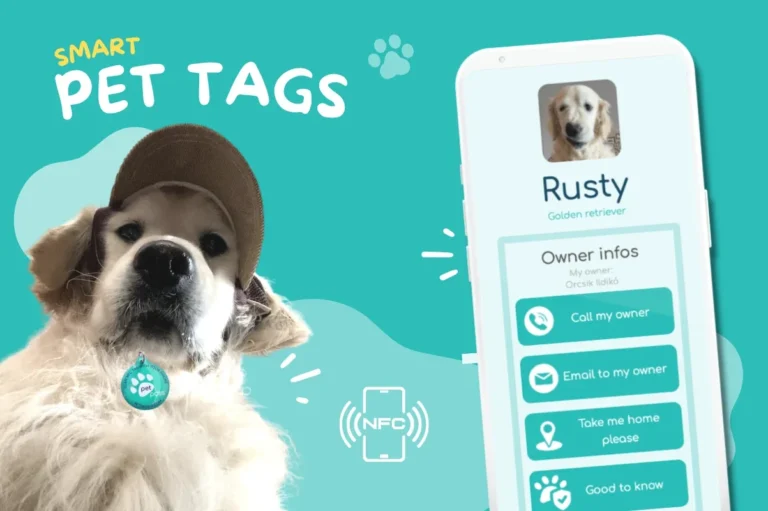
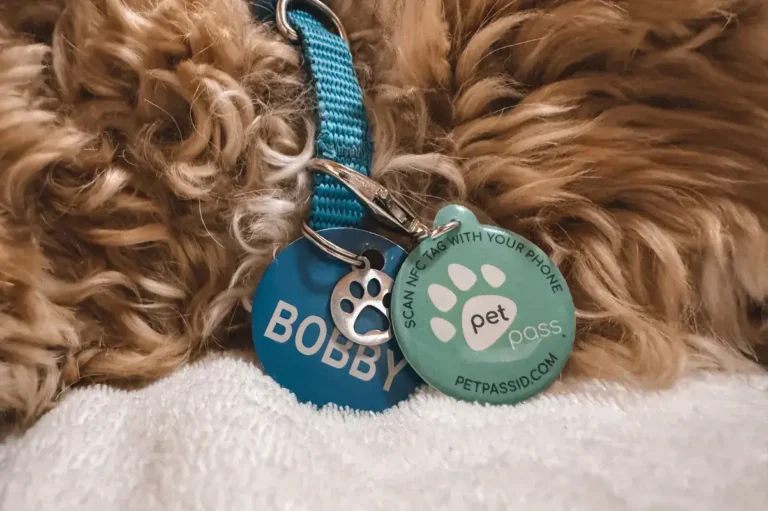
- Layer 2: Immediate Direct Contact (Pet Pass ID Smart Tag)This bridges the gap between a bystander finding your pet and contacting you immediately on the spot. When a neighbor, delivery driver, or stranger finds your pet, they don't need a vet scanner or a dedicated app. By tapping their smartphone against a Pet Pass ID tag or scanning its QR code, they instantly view your contact numbers, secondary emergency contacts, medical notes, and pet details.
- Layer 3: Active Location Tracking (GPS or AirTag)Useful for active searching when your pet is still moving and hasn't been secured by a finder yet.
Pet Pass ID doesn't stop your pet from slipping past an open gate—it ensures that the moment a helpful neighbor finds them, the journey back home is as short, simple, and safe as possible.

Frequently Asked Questions (FAQ)
Why do pets run away even if they love their home and owners?
Running away is rarely about "wanting to leave." In almost all cases, it is driven by intense primal triggers: sudden noise terror, overwhelming prey drive (chasing wildlife), territorial curiosity, or extreme disorientation in an unfamiliar space.
Can an indoor cat or well-trained dog still bolt?
Yes. Indoor cats can bolt out of doors or windows when startled by loud noises or lured by novel outdoor stimuli. Similarly, even highly trained dogs can ignore recall commands when overwhelmed by panic, prey drive, or survival instincts.
Why do fireworks cause so many pets to vanish?
Fireworks produce unpredictable, high-decibel blasts and low-frequency vibrations that animals perceive as severe physical threats. Driven by survival instincts to flee the noise source, terrified pets will break leashes, jump high fences, or tear through window screens to escape.
How can a pet back out of a secure collar or harness?
When a pet panics and pulls backward, its head, neck, and shoulders align. Their body compresses under tension, allowing standard collars and harnesses to slide right over the ears and shoulders. Using an escape-proof harness with a third belly strap or a backup tether to a collar prevents this.
Why are vacations and pet sitters higher risk for missing pets?
At home, pets rely on familiar scent tracks and territory markers to navigate. In a new city, rental house, or sitter's home, those scent anchors do not exist. If a pet escapes in an unfamiliar area, they can become disoriented within minutes.
Is a microchip enough safety protection on its own?
A microchip is an essential foundation, but it is not a complete solution. Microchips cannot be read by smartphones—they require specialized scanners found at vet clinics or animal shelters. Pairing an implanted microchip with an instantly readable smart tag (like Pet Pass ID) ensures that anyone with a smartphone can reach you immediately.
What should I do immediately if my pet goes missing?
If your pet has just disappeared, rapid action is crucial. Read our complete step-by-step emergency playbook: "My Pet Is Missing: What to Do in the First 24 Hours" to launch a fast, organized search.
Keep your contact details close.
Discover smart NFC and QR pet tags that connect a finder to your pet’s digital profile.
Explore Pet Pass ID tags