The most important rule in the first second: do not panic. Know that in the first few hours, most dogs remain in the immediate vicinity, and fast, well-thought-out actions drastically increase the chances of them returning home safely. Do not spend time reading long articles if trouble just hit—follow this action plan immediately!
If your dog just went missing, do this:
- Search the immediate surroundings of where they disappeared (bushes, garage, neighbor's yard).
- Ask someone to stay at the point of disappearance or at your home.
- Call acquaintances in the area who can help search immediately.
- Have a recent, clearly recognizable photo of your dog ready on your phone.
- Check if your contact details linked to the microchip are up to date in the registry.
- Notify local veterinarians, shelters, and animal welfare organizations.
- Launch a targeted social media search in local community groups.

What Should You Do in the First 15 Minutes?
The first quarter-hour is crucial. At this stage, the dog is likely still nearby, their reactions are more predictable, and trails are still fresh.
Check the Immediate Surroundings First
Do not automatically assume that your dog has already run miles away. Thoroughly check the yard, around the house, the neighbor's property, open garages, dense bushes, and the nearest section of your usual walking route. Many frightened animals retreat into the nearest tight, sheltered space.
Return to the Point Where They Were Last Seen
If they went missing during a walk, return to the exact spot. Dogs frequently return to where they last saw their owner or where they got separated. If possible, leave an item of your clothing there or wait calmly at the location.
Involve 2–3 People Immediately
Instead of panicked, uncoordinated running around, divide up the tasks:
- First person: Actively searches the area, calling the dog in a calm, familiar voice.
- Second person: Stays at home or at the starting point to receive the dog if they return on their own.
- Third person: Calls veterinary clinics and initiates online posts.
-
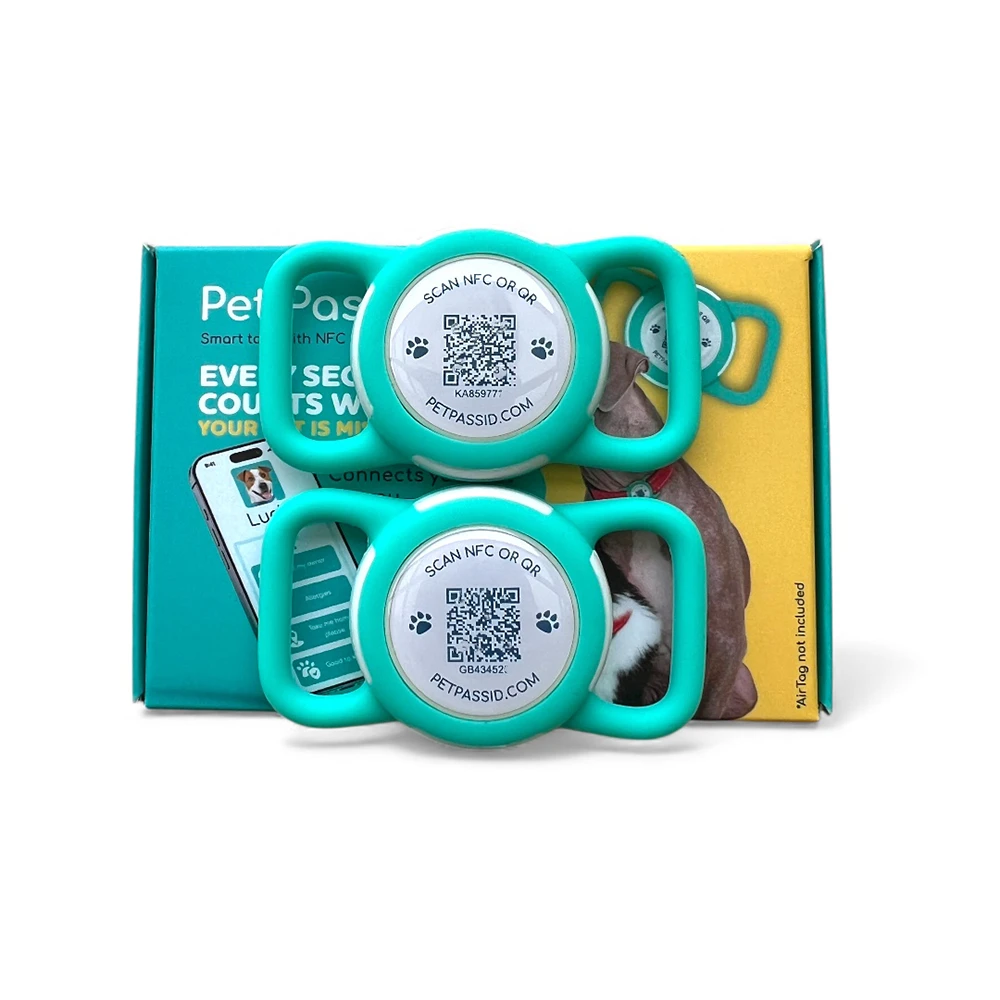
Pet Pass ID - 2w1 FRIENDS PACK
Pierwotna cena wynosiła: € 40.00.€ 30.00Aktualna cena: € 30.00. -
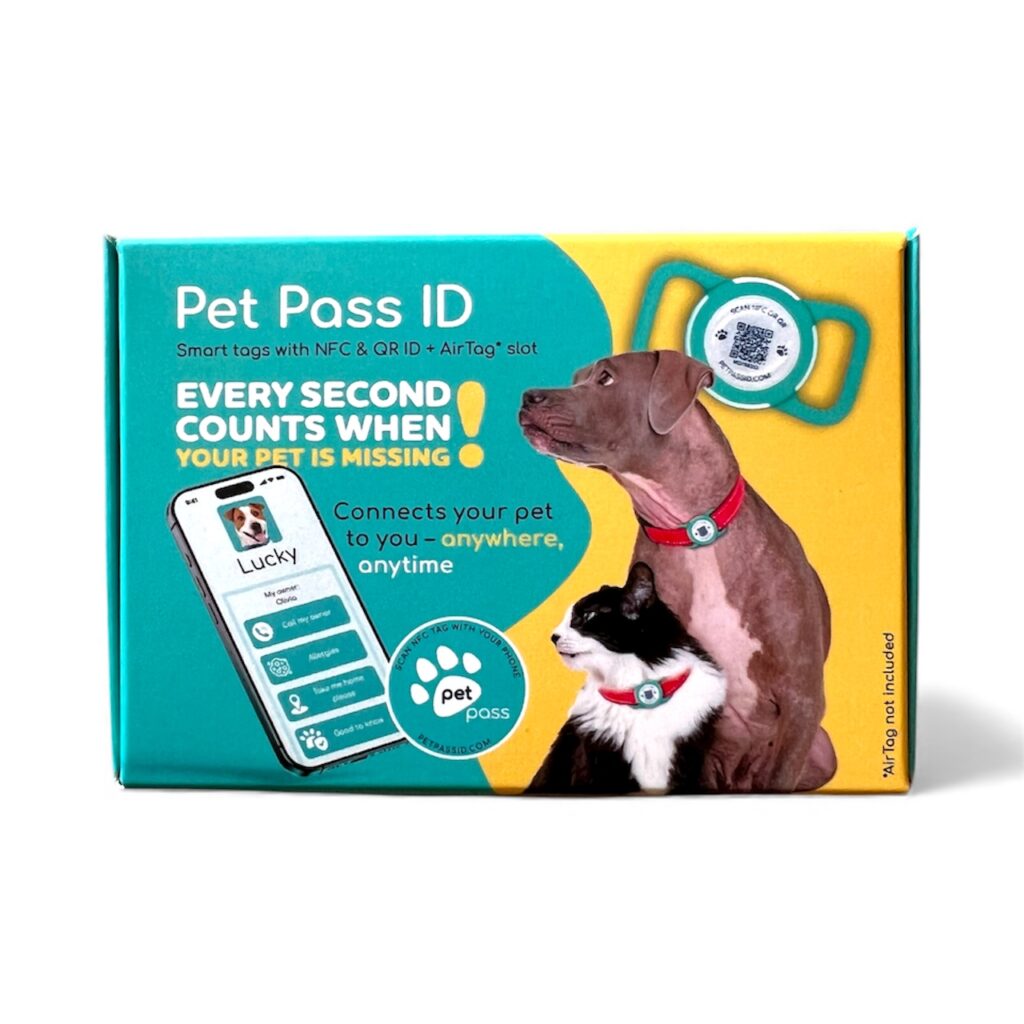
Pet Pass ID – inteligentna przywieszka z gniazdem na AirTag
€ 30.00 -
Pet Pass ID – inteligentna przywieszka z gniazdem AirTag 2 w 1 FRIENDS PACK
Pierwotna cena wynosiła: € 60.00.€ 40.00Aktualna cena: € 40.00.

What Should You Do in the First Hour?
When the initial quick sweep yields no results, transition to a systematic search.
Divide the Area
Do not follow each other around; instead, search in concentric circles:
- 0–500 meters: Thorough search of every hidden corner.
- 500 m–1 km: Checking potential directions of travel and escape routes.
- Familiar places: Dog parks, regular parks, and friends' houses known to the dog.
Bring Items They Recognize
Carry a leash, their favorite squeaky toy, and strong-smelling treats. The sound of rattling kibble or a squeaky toy can reach much further than your voice.
Ask People You Pass
Talk to everyone on the street: runners, dog walkers, local shopkeepers, mail carriers, and delivery drivers. Approach houses and ask residents if they can check their doorbell or security camera footage from the last half-hour. This modern tip often reveals the dog's direction of travel within minutes.
How Does a Microchip Help If Your Dog Is Missing?
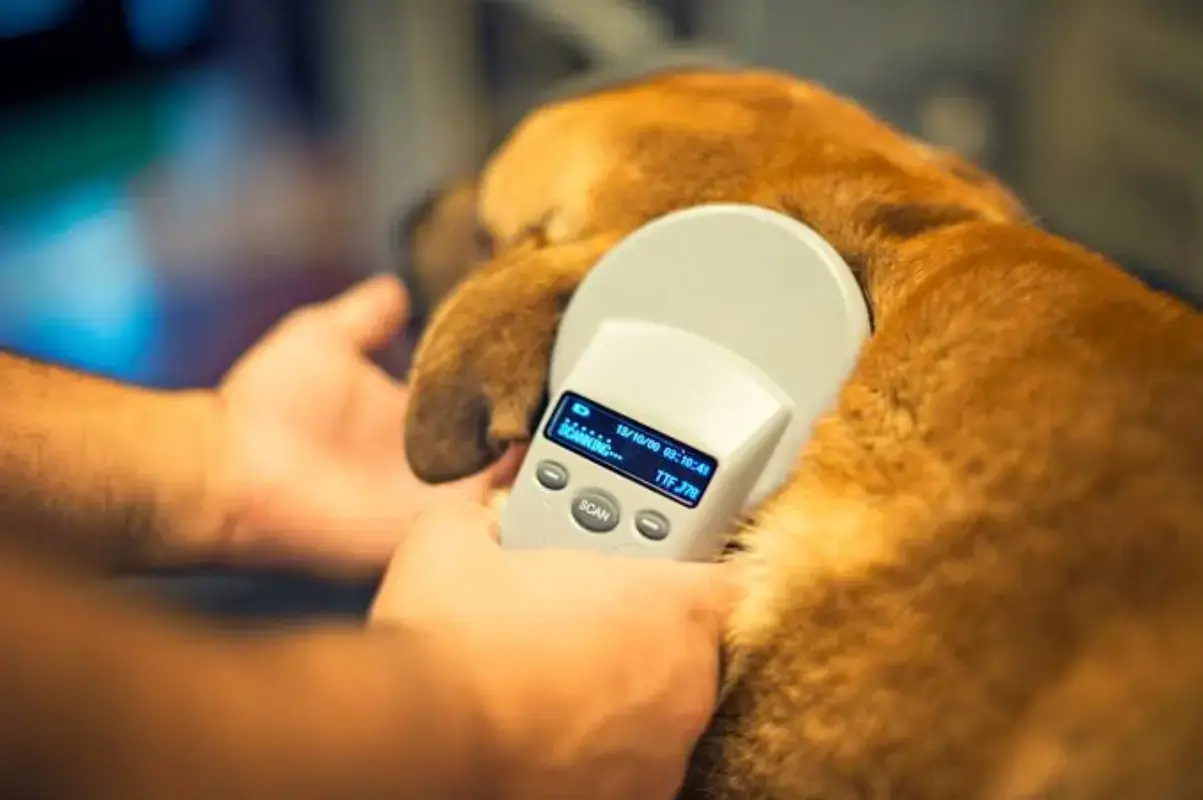
A microchip is a permanent, tamper-proof identification tool, but it is important to understand how it works: a microchip is not a GPS tracker. It is a small, passive device that requires a specialized reader. An average passerby cannot read the chip on the street using their smartphone.
Anyone can verify whether a chip is registered in the database by entering the chip number on public lookup portals (such as PetVetData in Hungary). However, detailed personal owner information and phone numbers are only accessible to authorized veterinarians.
Verify That the Correct Phone Number Is Linked to the Chip
Call your veterinarian and verify whether your current, active phone number is registered in the database. A microchip scanner is useless if the system contains an outdated, disconnected number.
Notify Local Veterinarians
Most finders take a found dog to the nearest veterinary clinic for a chip scan. If the staff there already knows you are looking for a specific dog, they can contact you the moment the animal is brought in.
Where Should You Report Your Missing Dog?
Local Facebook Groups
Social media is the fastest channel for information sharing. Post in the following:
- Local community and district groups.
- Neighborhood dog-owner and walking groups.
- Dedicated lost-and-found pet groups.
Veterinarians and Animal Welfare Organizations
Send your dog's details and photo to surrounding clinics, local animal rescue groups, and animal control facilities.
Shelters
Do not just call once: shelters receive dozens of animals daily. Follow up in person or by phone every 1–2 days.
Neighborhood
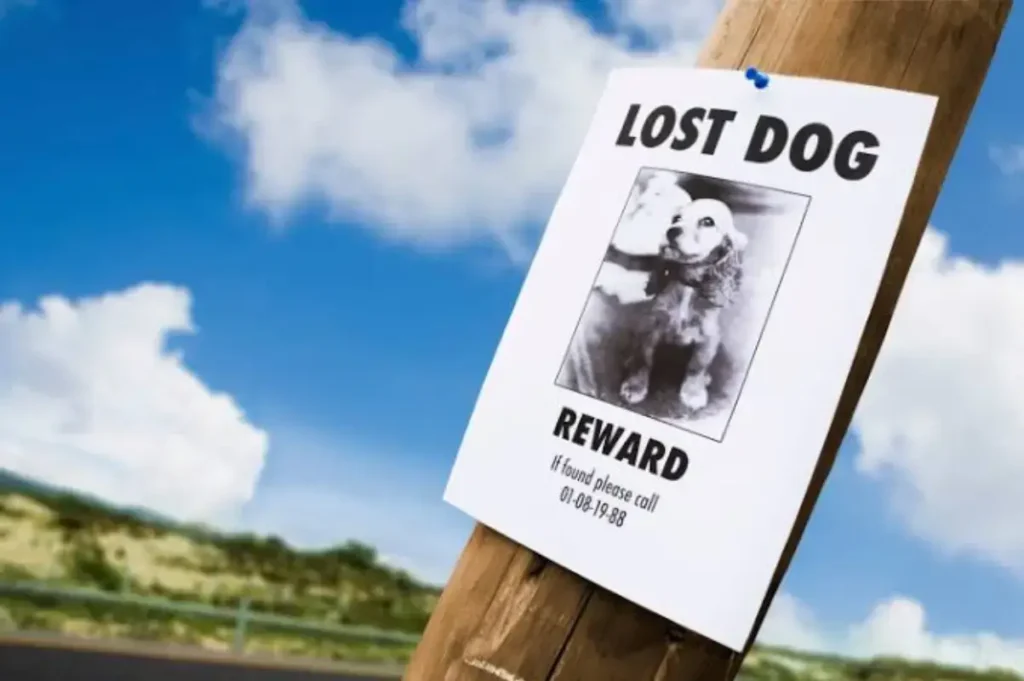
Traditional paper flyers are still relevant. Post flyers near local shops, bus stops, dog parks, and busy street corners.
What Makes a Good "LOST DOG" Post?
Do not just write "Please help, my dog is missing, SHARE!". An effective post is concise and structured.
Copy-Paste Template
LOST DOG – BUDAPEST DISTRICT XI
Name: Mázli
Location lost: Near Bikás Park (Vahot Street)
Time lost: 10/12/2026 at 16:30
Breed/Size/Color: Tan mixed-breed, medium-sized (approx. 15 kg)
Distinguishing features: Small notch on left ear, white patch on chest.
Collar/Tag: Red fabric collar, no tag.
Microchip: Yes, registered.
Phone number: +36 30 123 4567
Behavior: Very shy! Please do not chase, just call the number above!
- Formality & Usage: Use a clear, urgent tone and ensure the post is set to "Public" on social media so it can be shared widely across local community groups.
- Key Details: Include clear specifics about the location, exact time, and behavioral traits (e.g., whether the dog approaches strangers or bolts when chased).
- Visuals: Always pair the text with a clear, recent, high-resolution photo showing the dog's full body and facial markings.
What Should You Do If They Are Still Missing After 6–24 Hours?
If the initial search yields no results, elevate the systematic efforts:
- Expand the search radius: Extend your search area to 2–5 kilometers. Frightened dogs can cover surprisingly long distances.
- Map sightings: Log every incoming piece of information with the exact time and location. This can reveal a clear pattern or direction of travel.
- Extend flyer distribution: Put up laminated or plastic-sleeved flyers in the wider surrounding area.
- Maintain regular follow-ups: Recheck with shelters and animal rescue organizations.
Found a Dog? Here Is What to Dov
- Approach safely: Approach slowly from the side without making sudden movements.
- Check for identification: Look for a tag or phone number on the collar. If available, call the owner immediately.
- Scan for a microchip: If there is no visible contact info, take the dog to the nearest vet clinic or designated scanning station.
- Report the finding: Share a post in local lost-and-found groups with the exact location where the dog was found and a description.
How to Prevent a Lost Dog Episode from Becoming a Prolonged Search
While microchipping is essential and legally required, it does not guarantee immediate contact with a finder. Since an average passerby cannot read a chip, hours or days can pass before the animal reaches a vet.
| ID Method | Readable by Finder? | Modifiable Details | Durability / Reliability |
| Microchip | Only with special scanner (Vet) | Via vet in official registry | Permanent, unlosable internal device |
| Engraved Tag | Instantly, with bare eyes | Cannot be modified (requires new tag) | Can wear down or fall off collar |
| Pet Pass ID (NFC/QR) | Instantly, with any smartphone | Free to update online anytime | Durable, waterproof smart device |
| GPS Tracker | Instant location on owner's phone | No direct contact info for finder | Requires battery charging, can run out |
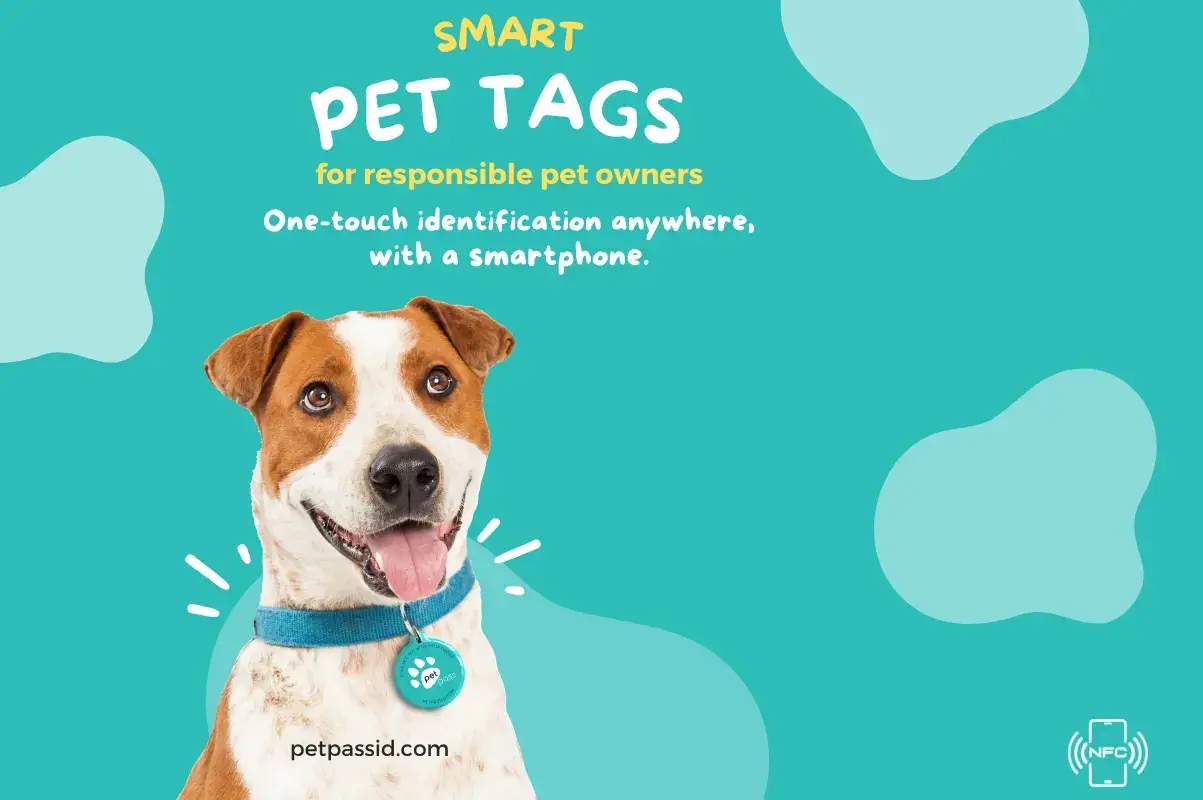
Key Difference: The microchip identifies the dog in the official registry. The Pet Pass ID allows a finder to contact you directly within seconds simply by tapping their phone against the tag.
5 Things You Should Do Today
- Verify microchip details: Confirm with your vet that your current phone number is registered.
- Take a fresh photo: Keep a clear, recent picture of your dog on your phone.
- Save emergency numbers: Store phone numbers for local vets and nearby shelters.
- Use a direct identification tag: Provide a smart tag or engraved tag that passersby can read instantly.
- Create a family emergency plan: Discuss with your family who handles what if your dog goes missing.
LOST DOG – 24-HOUR ACTION PLAN CHECKLIST
| Timeframe | Action Checklist |
| 0–15 mins | Search immediate surroundings, secure starting point, mobilize help. |
| 15–60 mins | Structured neighborhood search, ask neighbors, check security cameras. |
| 1–3 hours | Notify vets, verify chip data, publish Facebook post. |
| 3–6 hours | Collect sightings, expand search radius based on incoming data. |
| 6–24 hours | Secondary search sweep, contact shelters, put up flyers, update posts. |
| Ongoing | Log every single sighting with exact location + time! |
Frequently Asked Questions (FAQ)
What should I do first if my dog goes missing?
Stay calm and search the immediate surroundings. Ask someone to remain at the location where the dog disappeared while you initiate a systematic search of the neighborhood.
Where should I report a lost dog?
Notify local veterinary clinics, nearby animal shelters, animal control, and post in local community Facebook groups.
Can an owner be located using a dog's microchip?
Yes, but only a veterinarian or authorized animal welfare organization can scan the chip and access the registered contact details.
Can a dog's microchip be read with a smartphone?
No, reading a microchip requires a dedicated microchip scanner; standard smartphones cannot read them.
What should I do if I find a dog?
Approach carefully, check if the collar has a tag with a phone number, and if not, take the dog to the nearest vet clinic for a chip scan.
What information should be on a dog's tag?
A clearly legible phone number is most critical. You can also include the dog's name and any urgent medical needs.
Do I need a tag if my dog is already microchipped?
Yes. The chip is the official legal identifier, but a tag allows a finder to contact you instantly without needing a vet visit.
What is an NFC dog tag used for?
An NFC tag can be scanned by tapping a smartphone against it. It instantly displays your contact details and the dog's profile, enabling instant communication.
Keep your contact details close.
Discover smart NFC and QR pet tags that connect a finder to your pet’s digital profile.
Explore Pet Pass ID tags